Showing posts with label after epiphany. Show all posts

Friday, January 8, 2021

Friday after Epiphany 2021 - Whoever possesses the Son has life

 We are situated this week between the last two great feasts of the Christmas season: the feast of the Epiphany, last Sunday, and the feast of the Baptism of the Lord, in just a few days.  

The early Church saw the Baptism of the Lord as a second Epiphany in the life of Our Lord.  

Where in the first Epiphany, Jesus was revealed as the Savior, not just for Israel, but for the entire world.  This Sunday, we will hear how, as Jesus is baptized in the Jordan, much like the Epiphany Star shines upon the babe at bethlehem, now the Holy Spirit descends in the form of a dove, revealing even more of who Jesus is. He is not just a human Messiah, he is the second person of the Trinity, the son of the Father. 

As we heard in our first reading, the Spirit testifies to who Jesus is. He is the Son of God.

If he were not, he would have no power to make us clean. The water and the blood would have no power, if he were just a man. 

Our Gospel reading also sheds light onto the Lord’s identity. The healing of the leper reveals that God does not recoil from our sins and diseases. Yes, he is the holy one of God, the most high, he is life itself, immaculate holiness and divinity. Yet, Jesus, the Son of God, God incarnate, reaches out and touches the leper. Holiness itself draws close to us who have lost original holiness due to heinous sin in order to make us whole and clean and full of life again and like himself.

The broken jar is able to be fixed, it is not irreparable; we are able to possess the life of God again. So much so, that John, in the first reading, says that “Whoever possesses the Son has life; whoever does not possess the Son of God does not have life.” God does not wish us to lifeless because of sin. He entered the world, in the poverty and cold of Christmas, so that he may enter more deeply into our very lifeless souls to be our life. 

Today, we like the leper in the Gospel, do well to fall prostrate before the Lord, and plead, Lord make me clean, in all ways, in every way, make me clean, restore me to life, fill me with your life, for the glory of God and salvation of souls.

- - - - - - - - - 

For Pope Francis and all the clergy: that they will draw many to the mystery of baptism and inspire the faithful to live their baptismal promises with great devotion. 

For leaders of nations: that they will govern with virtue and integrity, helping to build society in conformity with the teachings of Christ.  

For non-believers and for those preparing for baptism: that they may be open to the grace of conversion and the joy of the followers of Christ.  

For the sick, suffering, persecuted, and underemployed, and all those facing hardships.  

For all those who have died, for all the poor souls in purgatory, for those who have fought and died for our country’s freedom, and for X, for whom this Mass is offered.  

Incline your merciful ear to our prayers, we ask, O Lord, and listen in kindness to the supplications of those who call on you. Through Christ our Lord


Monday, January 4, 2021

January 4 2021 - St. Elizabeth Ann Seton - Becoming an Epiphany for others

 Two hundred years ago, Elizabeth Ann Bayley Seton founded the Sisters of Charity of St. Joseph, the first new community for religious women to be established in the United States.  Her new community would also staff the first free Catholic School for girls in this country.  1000s of women over the last two hundred years have dedicated their lives through consecrated service in Mother Seton’s religious communities, and multitudes more have been educated, cared for, served in her schools, social service centers, and hospitals throughout this country and throughout the world.

Elizabeth Seton was the first person native to American soil to be canonized, and she wasn’t raised a Catholic; rather, as you might know, she was the daughter of a wealthy Episcopalian family from Manhattan New York.  She married a wealthy businessman at the age of 19, and raised 5 children in wealthy New York social circles.  A dispute between the United States and the French Republic led to her husband losing his business and falling into bankruptcy. The Setons lost their home, and the stress caused her husband’s tuberculosis to worsen. The Setons were taken in by a good Italian family, but within 6 weeks, her husband was dead. 

Widowed and destitute, Elizabeth, with her children, continued to live with the Catholics who shared their simple faith with her. She was so touched by their goodness and their faith, particularly to the Eucharist and the Blessed Virgin, that she decided to convert to Catholicism, despite the stern opposition from her Episcopalian friends. 

Here’s a woman who became Catholic and ultimately a saint because she was treated with great kindness by Catholics at a moment of great tragedy—by ordinary Catholics who were simply living their faith with deep devotion.

Yesterday, we celebrated the feast of the Epiphany, in which the goodness and light of the Lord is revealed to the nations. The Lord continues to reveal his goodness and light through his Church, through Ordinary Catholics living out their faith with great devotion. Because of that Italian catholic family, shining with the light of the Lord, a saint was born, through whom the Lord has taught and healed multitudes. 

Mother Seaton became an epiphany for others, and we are called to do the same, through acts of goodness and charity and devotion. But, this means going out of our way when we hear that someone has fallen on rough or tragic times—for it is in those dark times, that we are called to bring the light of Jesus, for the glory of God and salvation of souls.

- - - - -  

That all Christians may grow in charitable attentiveness to the needs of the poor in our midst.

That all those searching and longing for Christ may find him through the witness of His Holy Church.

Through the intercession of Mother Seaton, patron saint of teachers, that all teachers, may share their knowledge with gentleness, patience, and concern for their students.  

For all the needs of the sick and the suffering, the homebound, those in nursing homes and hospitals, the underemployed and unemployed, immigrants and refugees, victims of natural disaster, war, and terrorism, for all those who grieve the loss of a loved one, and those who will die today, for their comfort, and the consolation of their families.

For all who have died, and for all the poor souls in purgatory, and for X. for whom this Mass is offered.

Incline your merciful ear to our prayers, we ask, O Lord, and listen in kindness to the supplications of those who call on you. Through Christ our Lord


Friday, January 10, 2020

Friday after Epiphany 2020 - The testimony of Baptism's waters

On Wednesday, I spoke about how it is fitting to read from the first letter of St. John during the Christmas season, as St. John takes up the task of explaining the significance of the incarnation of Jesus Christ and how that is to impact our lives as Christians.

God’s love is revealed to us in the incarnation, and so God’s love is to be revealed in our lives: God loved us, so we are to love one another.

Well, today’s readings are perfect for this particularly liturgical day, pointing us toward this Sunday’s upcoming Solemnity of the Baptism of the Lord. For John today explains how Jesus’s divinity is was revealed through water. At the baptism, the heaven’s opened, the Holy Spirit descended, and the voice of the Father spoke, “this is my beloved Son”.

God testifies to the identity of Jesus. He is the Son of God. Belief in Jesus’ divinity isn’t simply based on human testimony, John says today, it is based on God’s testimony. John connects water and belief, baptism and faith, the revelation that Jesus is God and the possession of eternal life. A perfect reading to get us ready for the feast of the baptism this weekend.

But also our Gospel reading introduces the theme of cleansing. A leper falls prostrate before Jesus, believing that Jesus has the power to heal him, and he is made clean. Faith in Jesus leads us to the waters of baptism which cleanse us, not of the terrible physical disease of leprosy, but a spiritual disease far worse: the sinfulness which has caused death to our souls.

Today’s reading prepares us to celebrate the Lord’s Baptism this weekend, as the final feast of the Christmas season. The babe born in Bethlehem gives us new birth in the waters of Baptism. Faith in Him leads us to those waters, sanctified by him, by which we are reborn to eternal life.

As we come to the end of the Christmas season, celebrating the birth of our Savior, we consider the importance of baptism, and its implications. At his Baptism, God testified to Jesus’ identity. Our baptism impels us to do the same: to testify that eternal life can be found through faith in the Son of God for the glory of God and salvation of souls.

For Pope Francis and all the clergy: that they will draw many to the mystery of baptism and inspire the faithful to live their baptismal promises with great devotion.

For leaders of nations: that they will govern with virtue and integrity, helping to build society in conformity with the teachings of Christ. 

For non-believers and for those preparing for baptism: that they may be open to the grace of conversion and the joy of the followers of Christ. 

For the sick, suffering, persecuted, and underemployed, and all those facing hardships. 

For all those who have died, for all the poor souls in purgatory, for those who have fought and died for our country’s freedom, and for X, for whom this Mass is offered. 

Incline your merciful ear to our prayers, we ask, O Lord, and listen in kindness to the supplications of those who call on you. Through Christ our Lord

Wednesday, January 8, 2020

Wednesday after Epiphany 2020 - Do not be afraid to love God

Throughout the octave of Christmas and continuing after the feast of the Epiphany, our daily readings are taken from the first letter of St. John. St. Augustine began a homily on the letter of St. John’s first letter stating that in his first letter, John “said many things, and nearly everything was about charity.”
It if fitting that we read from first John throughout the Christmas season, as we seek to love more deeply the Christ-Child born at Bethlehem.

The word love is used 11 times in our reading this morning. “Beloved, if God so loved us, we also must love one another. No one has ever seen God. Yet, if we love one another, God remains in us, and his love is brought to perfection in us…God is love, and whoever remains in love remains in God and God in him” and so on.

John enjoins Christians to love one another several times throughout his letter—fraternal charity is a mark that we belong to God. Love for others is a sign that we have been transformed—that we have allowed the life of God to transform us and to replace the hatred, bitterness, selfishness, and perversions of the world in us.

As we practice love, love is perfected in us, God’s life is brought to perfection in us. We grow in the virtue of charity as we practice it. The more we love, the more we grow in our capacity to love—love is increased and perfected by its practice.

If your soul were a container, how much love for God and neighbor would it contain? For some of us, our soul is the size of a thimble, little love for God or others. Many Christians, who have practiced love through prayer and self-less charity, their souls have grown to great basins of love. For few, like the saints, their souls have become ponds and lakes of love, seemingly bottomless. The Blessed Mother’s love for God and for her Son and for us has been described as an ocean of love.

The Christmas season aims to help us love more. So let us cast off everything, every selfish habit or pursuit, which keeps us from love.

In the Gospel, Jesus urges his disciples to not be afraid when they see him walking on the sea. He is not a ghost, he is not a figment of their imagination, he is not a myth, he is not just a story we tell to children. He is real. Do not be afraid to believe in him and to love him, do not be afraid to reject all that keeps you from loving him, for the glory of God and salvation of souls.

- - - - -

That our Holy Father and all the clergy may be filled with courage in preaching the full Gospel, especially in the face of opposition.

That Christians may know the presence and love of God when faced with fear and suffering for the sake of the Gospel.

That those who despair of God’s love for them, might discover the great love that casts out all fear.
For all who have fallen away from the Church, for those in mortal sin, for their conversion and the conversion of all hearts to Christ.

For all the needs of the sick and the suffering, the homebound, those in nursing homes and hospitals, the underemployed and unemployed, immigrants and refugees, victims of natural disaster, war, and terrorism, for all those who grieve the loss of a loved one, and those who will die today, for their comfort, and the consolation of their families.

For all who have died, and for all the poor souls in purgatory, and for X. for whom this Mass is offered.

Incline your merciful ear to our prayers, we ask, O Lord, and listen in kindness to the supplications of those who call on you. Through Christ our Lord

Tuesday, January 7, 2020

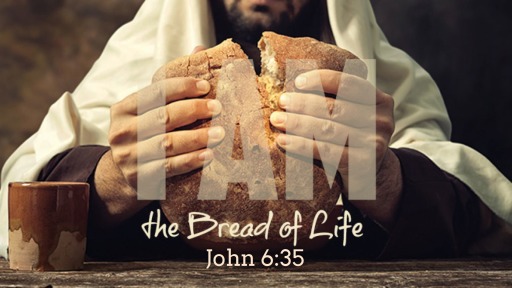
Tuesday after Epiphany 2020 - The bread of self-donation

Throughout the Christmas season, our daily Gospel readings expound upon the identity and mission of the Christ-Child born at Bethlehem. Yesterday’s Gospel told of the beginning of the Lord’s Galilean ministry. Jesus is revealed as the one who calls us to repentance, who is able to bring healing for all our physical diseases, but also our deepest spiritual disease. Jesus reveals to us the face of God who loves us, who desires our healing, our reconciliation with him.

What does today’s Gospel reveal to us about Jesus, about God? In the story of the multiplication of the loaves, Jesus is attentive to the physical hunger of the people who have come to listen to him preach. They have come to listen to Him preach because of their deep spiritual hunger. So he attends to both physical and spiritual hunger. Here Jesus reveals the face of God who desires to give us what truly nourishes—both materially and spiritually—our “daily bread” for which he teaches us to pray.

And yet, what is the nature of the spiritual nourishment Jesus provides? Well, the Gospel passage hints at what is later fulfilled at the Last Supper. Notice, when his disciples speak to him about the hunger of the people, the Lord tells them to feed the crowd. You, do something, you work to satisfy their hunger. You give them some food yourselves. There is something spiritually nourishing when we feed others. When we engage in the works of mercy we receive something greater than the physical, material thing that is given away. The great paradox at the heart of this reading is that giving bread to others is bread to us. The babe born in Bethlehem, Hebrew for “house of bread” has become the the bread of self-donation, and teaches us to become like Him.

In the Gospel of John, Jesus explains, “my food is to do the will of Him who sent me and to finish his work.”

In the first reading this morning, when St. John says, “let us love one another because God is love” he is not talking about love as emotion. Love—Agape—in the Greek—means giving yourself to others, giving of yourself for the good of others. So we are to “give of our selves because God is self-giving love”. 

Especially in the Eucharist we see that God is the spiritual food for our spiritual hunger. When Jesus says, “do this in memory of me”, yes he is speaking of the need for us to celebrate ritually the Eucharist, but also the need for us to give of our body and blood, to give our lives away as a sacrifice to God, for the glory of God and salvation of souls.

- - - - - - - -

We bring forth now our prayers of petitions.

That the Church may be attentive to the physical and spiritual needs of all.

For Pope Francis’ prayer intention for the month of January: that Christians, followers of other religions, and all people of goodwill may promote peace and justice in the world.

For those oppressed by hunger, sickness or loneliness, that through the mystery of the Nativity of Christ, they may find relief in both mind and body.

For all who have died, and for all the poor souls in purgatory, and for X. for whom this Mass is offered.

Incline your merciful ear to our prayers, we ask, O Lord, and listen in kindness to the supplications of those who call on you. Through Christ our Lord

Monday, January 6, 2020

Monday after Epiphany 2020 - "Light has arisen"

“The people who sit in darkness have seen a great light, on those dwelling in a land overshadowed by death, light has arisen.”

Despite the great Christian joy of Christmas, the Christmas season can be a time of great darkness: winter depression grows, loneliness is deeply felt, grief from past mistakes and sins often resurfaces.   Family tensions can flare-up around Christmas gatherings. I just saw a report that the divorce rate surges after Christmas.  “How things are” is found to be very far from “how things should be.”

Yet, at this very time, when darkness overshadows so much, the Church proclaims the true Hope of the World: Christ is the light shines in the darkness.

Yesterday, we celebrated the Epiphany of the Lord, the revelation, the shining forth of Jesus as savior of the world.

On this Monday after Epiphany, the passage of Matthew Gospel describes Jesus starting his mission in Galilee.  Jesus’ Galilean ministry is a sort of Epiphany—Jesus preaching and teaching and healing manifests God’s light to a people in darkness.

He calls those in darkness to the light of repentance and discipleship.  Repentance and discipleship are the remedy for the darkness of the season. Christ is the remedy for our demons, our lunacy, our paralysis, our brokenness. In the light of Christ, our false hopes and the empty promises of the busyness and materialism of secular Christmas are exposed as illusions. And the true path to happiness, Christian discipleship, is illuminated.

The Gospel also tells us that the sick were brought to him.  If there is anything we still need to repent of, the Holy Spirit works to bring us to repentance and Jesus’s divine mercy.  But also, the Holy Spirit works to use as instruments to bring the physically, emotionally, and spiritually sick in our family and in our community to Jesus’ divine mercy, through our words, example, and actions.

May we be docile and obedient to all the Lord asks of us today, that we might be witnesses of his light, that his light may continue to shine on a people overshadowed by death, for the glory of God and salvation of souls.

- - - - - - - -

We bring forth now our prayers of petitions.

For the conversion of all those who have turned their hearts from Christ, for those who have fallen into serious sin, for a strengthening of all of the faithful in virtue. And That God may bring the faithless to believe in His Son and increase the faith of those struggling to believe.

For Christians who are persecuted throughout the world, especially those who face martyrdom, that they may have a faith that is constant and pure. And for Pope Francis’ prayer intention for the month of January: that Christians, followers of other religions, and all people of goodwill may promote peace and justice in the world.

For those oppressed by hunger, sickness or loneliness, that through the mystery of the Nativity of Christ, they may find relief in both mind and body.

For all who have died, and for all the poor souls in purgatory, and for X. for whom this Mass is offered.

Incline your merciful ear to our prayers, we ask, O Lord, and listen in kindness to the supplications of those who call on you. Through Christ our Lord