Showing posts with label full active conscious participation. Show all posts

Wednesday, June 18, 2025

11th Week in Ordinary Time 2025 - Wednesday - Whoever sows bountifully will also reap bountifully

 There is a spiritual truth that applies to our faith, and probably just about everything in life: “the more you put into something, the more you’ll get out of it”. The more you study, the more you’ll learn. The more you practice, the better you’ll become. The more you engage with joyful, motivated people, the more joyful and motivated you will be.

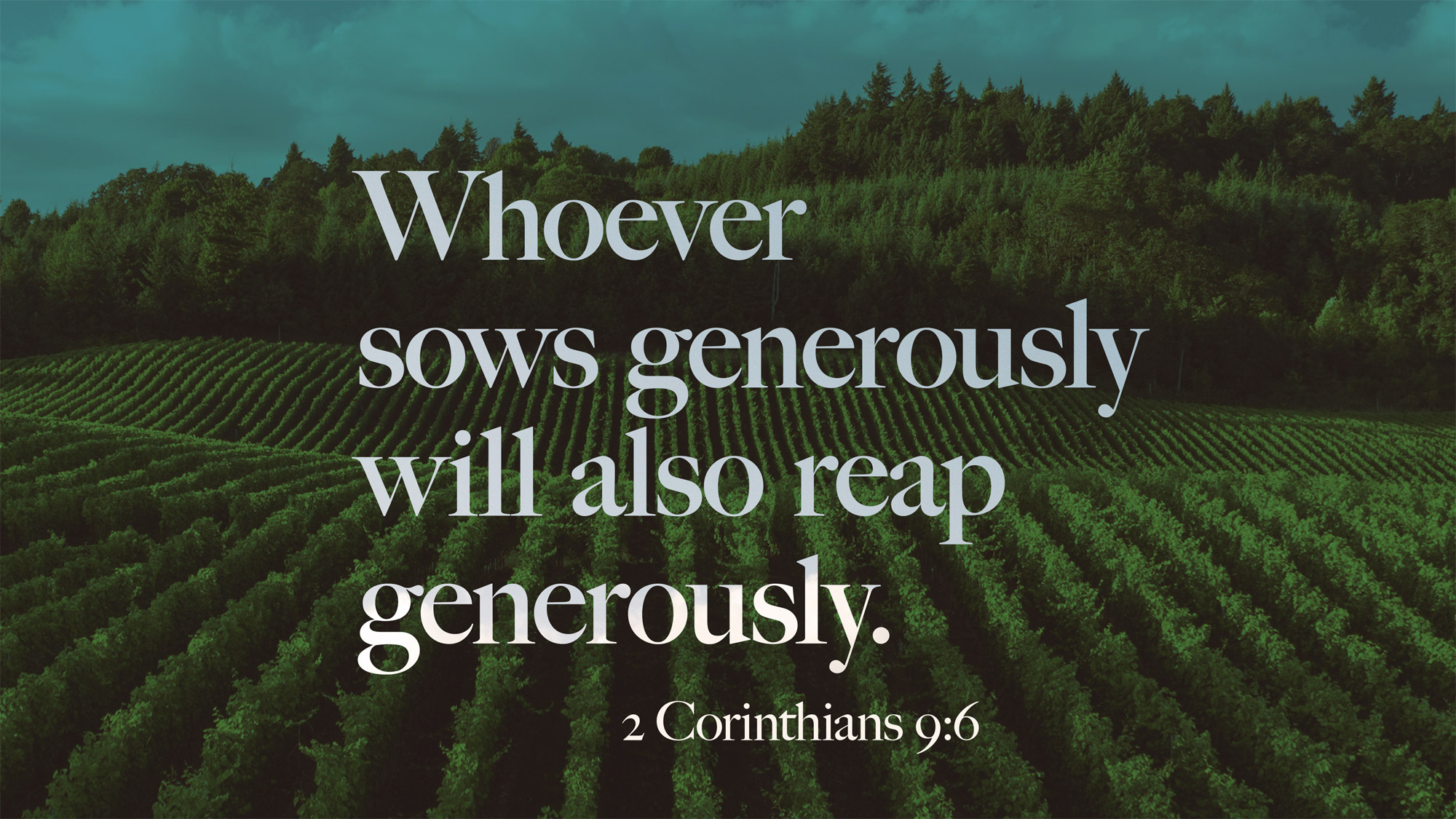
St. Paul describes this spiritual law in the first reading today: “Whoever sows sparingly will also reap sparingly, and whoever sows bountifully will also reap bountifully.” 

In reference to the spiritual life the more we engage in the life of prayer and good works, the more spiritual fruits will be born. It is not surprising that this is true also about our public prayer, our liturgical worship. The more fully, actively, and consciously we engage in the celebration of mass, the more spiritual fruit you will derive from it. Consider the difference between a Catholic who just shows up for Sunday mass, without having prayerfully prepared throughout the week. They roll out of bed, they show up 2 minutes after mass begins, they don’t pick up the hymnal, they are thinking about the activities they want to accomplish after mass is over. It’s no wonder such Catholics easily fall away from the obligation of Sunday Mass.

Now consider the Catholic who has reflected upon the Sunday scripture readings throughout the week leading up to Sunday. They have been praying for certain neighbors and family members throughout the week, and now on Sunday they lift their loved ones up to the altar with the Eucharist. They unite their mind and heart in the songs of the mass, and contemplate how what the priest is doing on the altar is what Jesus did on the cross. They’ve engaged in works of charity throughout the week and step forward to receive the Body and Blood of the Lord to be their strength for charitable works in the week ahead. They’ve examined their conscience each night, recognizing their sins, and now come to mass with the hope of being purified of selfishness.

The more you put into the mass, the more you’ll get out of it.

This principle is reflected in Jesus' teaching on the three great spiritual disciplines in the Gospel today: prayer, fasting, and almsgiving. These are not meant to be shallow gestures or public performances, but acts of genuine self-giving to God.

And we find that the more generous we are with God, with the practices of the spiritual life, the more generous God is in filling our souls with his divine life, for the glory of God and the salvation of souls.

- - - -  

Trusting in the Lord who desires to fill us with His grace, let us offer our prayers with sincere hearts, seeking to grow in holiness through prayer, worship, and charity.

For the holy Church of God: That her members may sow bountifully in the life of prayer and good works, and thus reap an abundant harvest of holiness and grace.

For world leaders and those in positions of authority: That they may govern with wisdom, integrity, and a genuine commitment to justice and peace, promoting the dignity of every human life and working tirelessly for the common good.

For those whose faith has grown lukewarm or routine: That they may rediscover the joy of drawing near to God and engaging wholeheartedly in prayer and worship.

That those who suffer in body, mind, or spirit may find healing, comfort, and strength through the love of Christ and the compassionate care of His people.

For the faithful departed: That having sown in tears, they may reap the joy of eternal life with Christ.

Heavenly Father, hear these prayers we offer in faith. Help us to grow daily in holiness by cooperating generously with your Divine Will. Through Christ our Lord.


Sunday, January 14, 2018

2nd Sunday of OT 2018 - Awakening from Spiritual Slumber

The great theologian Origen of Alexandria said that every detail of the scriptures is meaningful and should be treasured and savored like you treasure and savor every morsel of the Blessed Sacrament. So, let’s savor and treasure some of the details of our first reading this weekend, for within it contains some tremendous insights into the spiritual life.

The story of the call of Samuel begins with Samuel asleep. Sleeping is a great biblical theme for spiritual inattentiveness. Here’s Samuel, in a holy place, in the temple, like us in a church, and what’s he doing? Is he praying, is he worshipping, is he devoting his attention to God? No. He’s sleeping.

We begin the spiritual life asleep, inattentive to the presence and will of God. We are here this morning because someone woke us up to the importance of faith, to the importance of religion, to the truth of Catholicism. It may have been the religious practice of your parents in your home growing up that helped to wake you up to the presence of God, it may have been the example of a fiancé or a spouse; perhaps a beautiful piece of sacred art or architecture helped you to realize that there is something greater than yourself.

You likely know people who are wide-awake to their career, to the statistics of their favorite athletes, to the intricacies of their favorite movie franchise, to the fluctuations of the stock market, but are sound-asleep to the things of God. When you are asleep to the spiritual realities, you are missing out on an entire dimension of human existence.

Contrast Samuel snoozing away in the Temple to the image of the Magi from Epiphany Sunday last week: the Magi, scanning the night sky, looking for signs of God’s will, leaving the comfort of their homes, traveling a vast distance to come to know God. The Magi are awake, “woke” as the kids say these days; Samuel is asleep, and needs to wake up.

Next, we read of God calling out to Samuel, but Samuel was convinced it was the voice of his teacher Eli and so he goes back to sleep. The second spiritual lesson is that God is calling out to us, over and over, and it often takes many attempts for us to wake up.

For those asleep to the spiritual realities, whose ears are unattuned to the voice of God, it takes a while to wake up and finally get it. When we are sharing our faith with non-believers, we need to be persistent; they might not get it the first time. Or family members who have fallen asleep to the obligation to attend Mass every week; it’s going to take a few attempts to wake them up again, and we shouldn’t lose heart at their spiritual grogginess. As faith permeates our culture less and less it’s going to take more effort, not less, to bring unbelievers and fallen-away Catholics to spiritual awakening.

How many times have you had to confess the same sin over and over in the Sacrament of Confession? Spiritual awakening takes effort, takes many attempts, takes perseverance, and that’s okay, as long as we continue to seek that awakening.

It becomes problematic when we stop going to confession and just surrender to our sinfulness. This is why it is Church teaching that we do not present ourselves to receive Holy Communion if we have not confessed our serious and mortal sins. For when we approach Holy Communion, we are not to be surrendered to sin, but surrendered to God.

 Notice, next in the story how Samuel, confused by the strange voice of God, Samuel turns to the wisdom of the priest Eli. As we begin to awaken to the spiritual realities, as we begin to attune our ears to the voice of God, turning to the spiritual masters becomes extremely important. We need spiritual supports if we are going to wake up and remain awake.

Coming to Mass every week is an obligation for Catholics because without it we begin to fall back asleep. But even when you do come to Mass, there is a further obligation to be as attentive as you can to the spiritual realities that take place here. Vatican II said that we need to strive for full, conscious, and active participation in the liturgical celebrations: that means to actively listen to the scriptures and prayers, to actively engage in the dialogues, to sing the psalms and hymns to the best of your ability. The hymns are not just religious background music, they integral parts of the Mass. Again contrast Vatican II’s full, conscious, active participation to Samuel snoozing in the Temple. Full, conscious, active participation isn’t easy because Mass is different than watching television or going to work, it requires the exercise of a different set of spiritual muscles.

We also need the spiritual support of a personal prayer life throughout the week: reading the writings of the spiritual masters, the saints, meditating on sacred scripture, meditating on the mysteries of the holy rosary, making frequent confession, are vital spiritual supports.

Finally, the last spiritual lesson from Samuel’s story, notice that after awakening to the reality of God,  Samuel hears God calling him by name and responds with the desire to serve God. It is a life-changing moment when we go from unbelief to actually experiencing God calling us by name.
God not only loves humanity in general, he loves us each uniquely. To experience his profound love for you personally, will change you forever. But you have to dispose yourself to this through the effort of the spiritual life.

Samuel responds to this encounter with God’s love for him, with the desire to serve, and that is the sign of spiritual awakening. In Scripture, God calling his servants by name: Abraham, Isaac, Jacob, Moses, Daniel, Elijah, Ezekiel, Amos, Peter, James, John, Paul. And the calling by name transforms these people into powerful instruments of his Divine Plan.

God’s call is persistent and personal. Pray, pray, pray that you may hear God calling you by name, and when you do, pray in the words of Samuel, “Speak, for your servant is listening” that you might become an instrument of spiritual awakening for others, for the glory of God and salvation of souls.